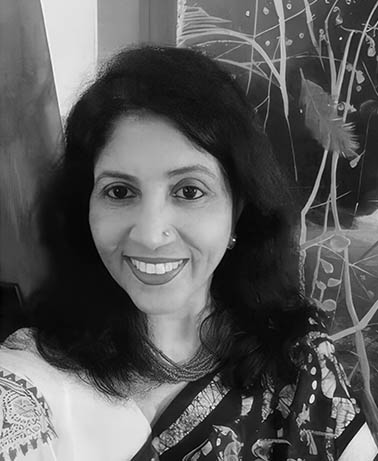
Shahnaz Sultana, an extraordinary Bangladeshi artist, emerges from the intersection of sanctuary and resistance, where silence is transformed into expression and personal history becomes a site of inquiry. From an early age, she gravitated toward the rhythms of nature and the quiet lyricism of daily life, using drawing as her first language and her earliest means of self‑assertion.
Raised in a cultural environment where a girl’s artistic aspirations were often questioned, she developed her practice in the margins — in private, in fragments of time, and against the grain of expectation. These formative challenges deepened her artistic resolve. Today, her work stands as both a personal refuge and a critical lens through which she examines social structures, emotional landscapes, and the resilience of women’s lives.
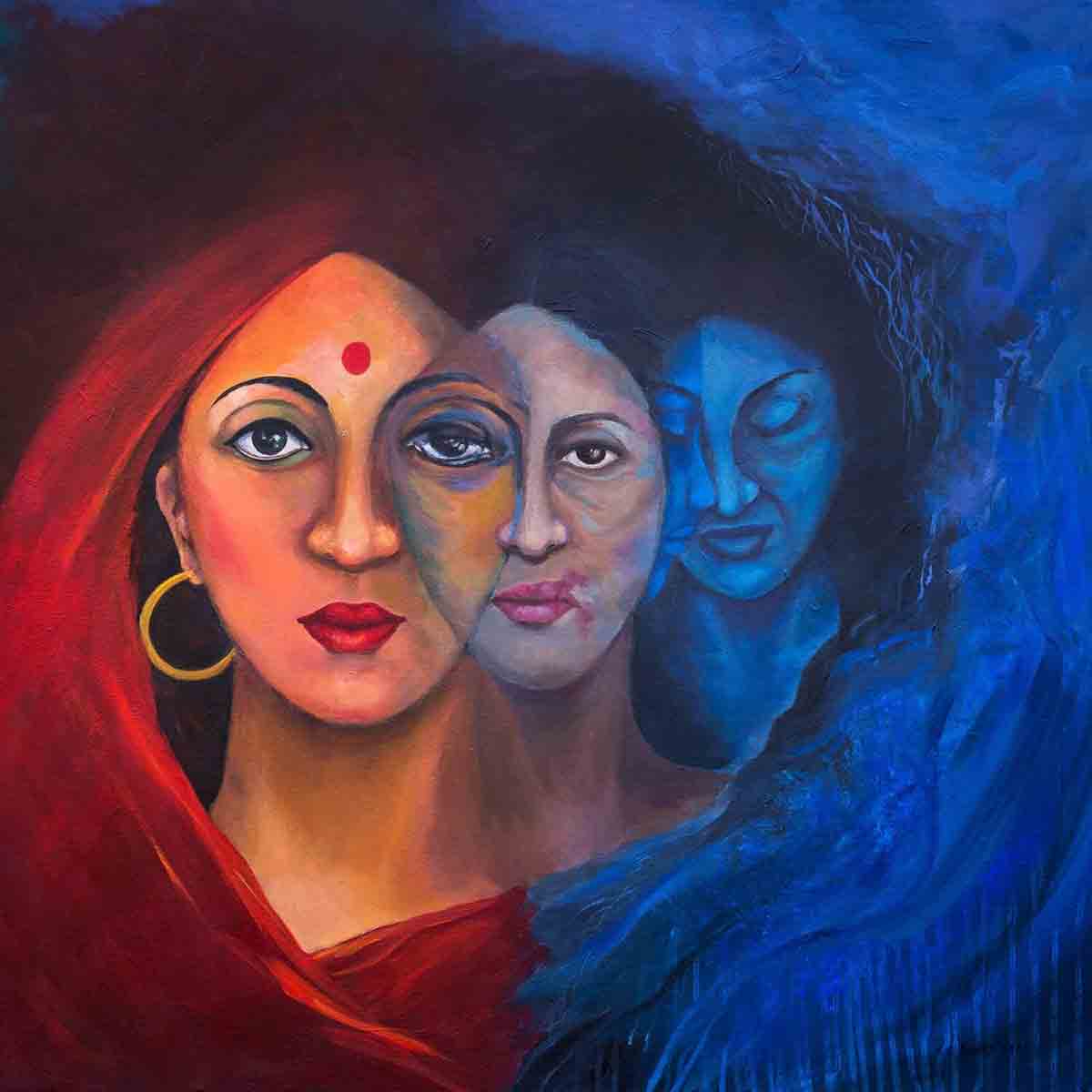
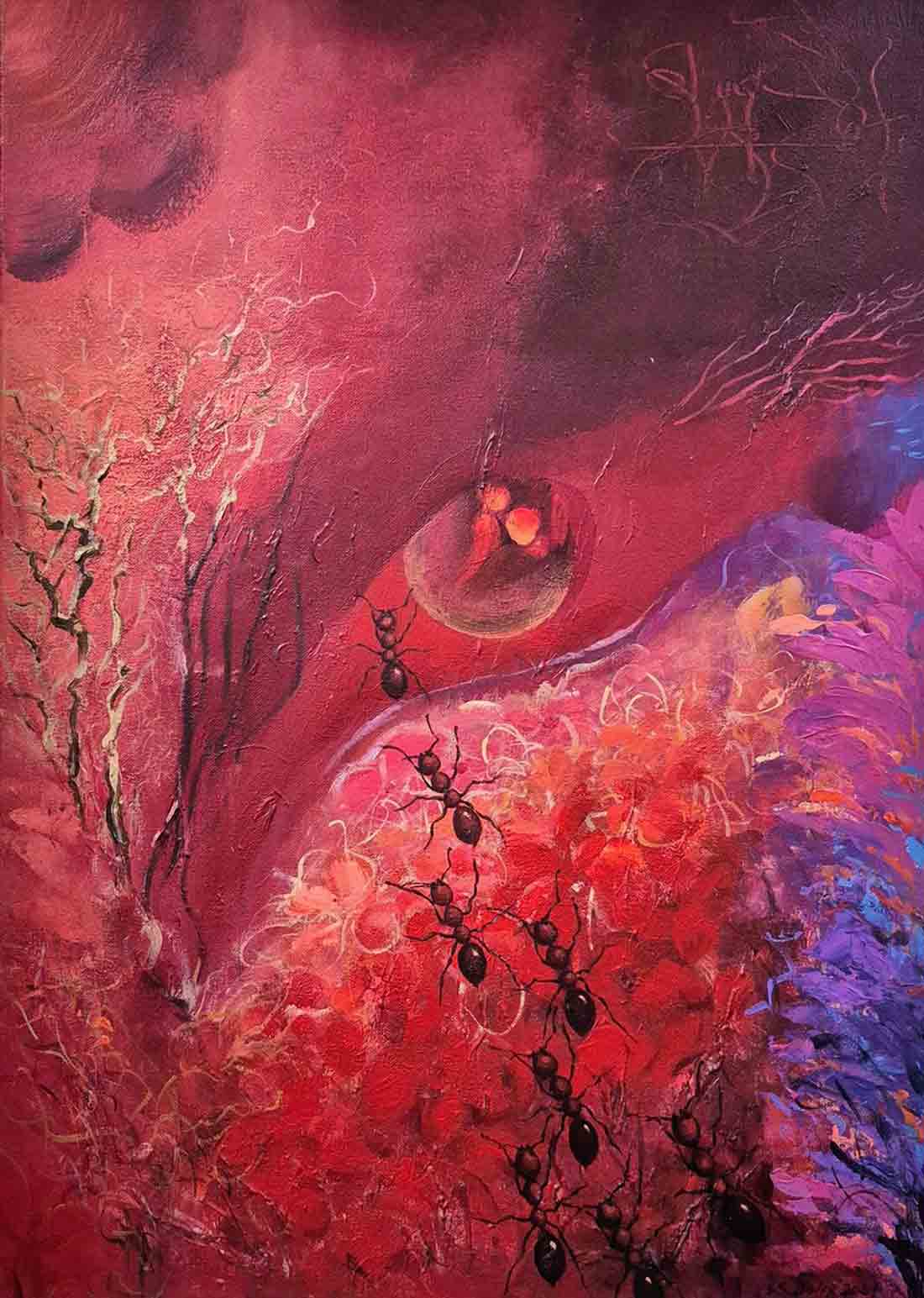
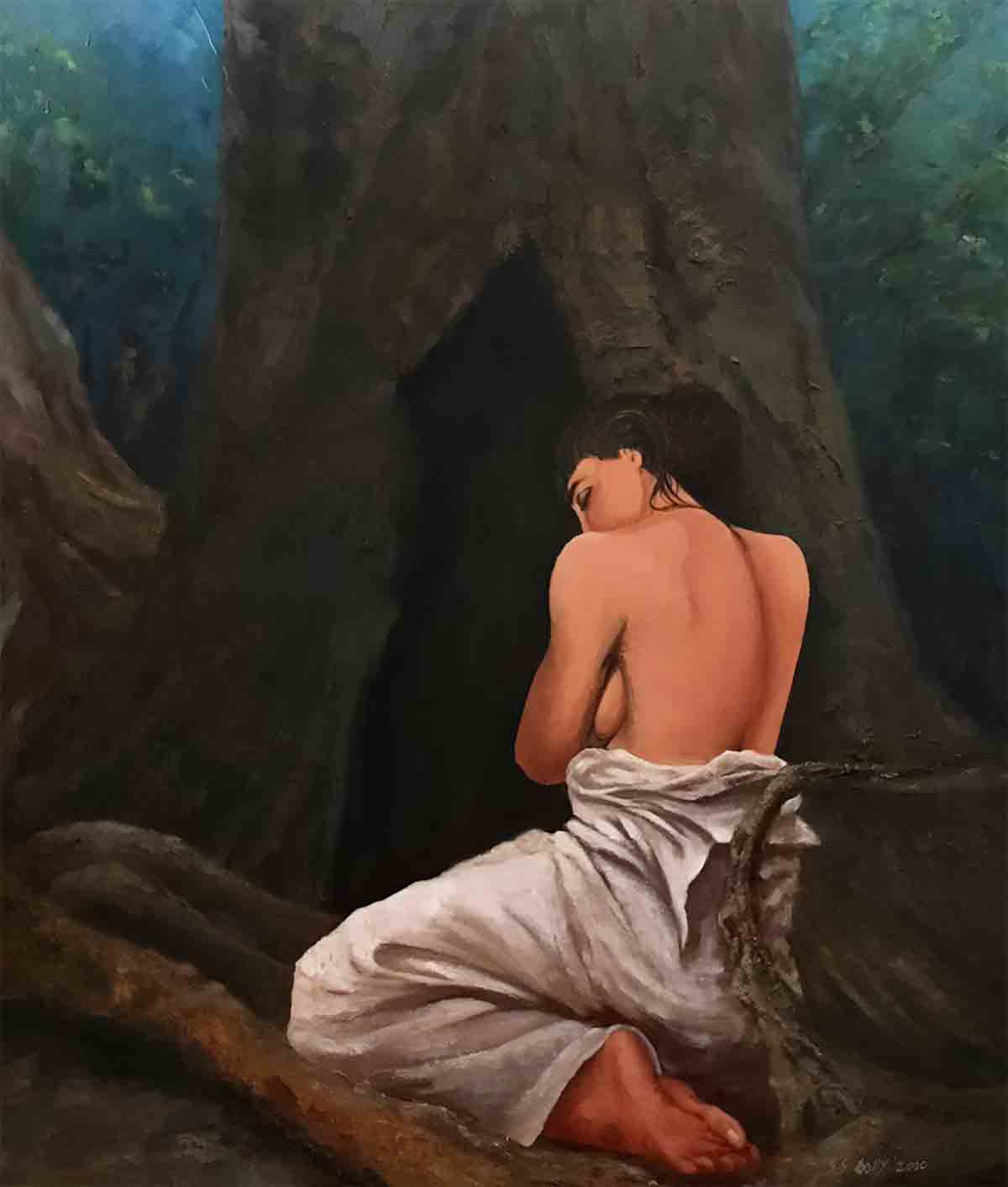
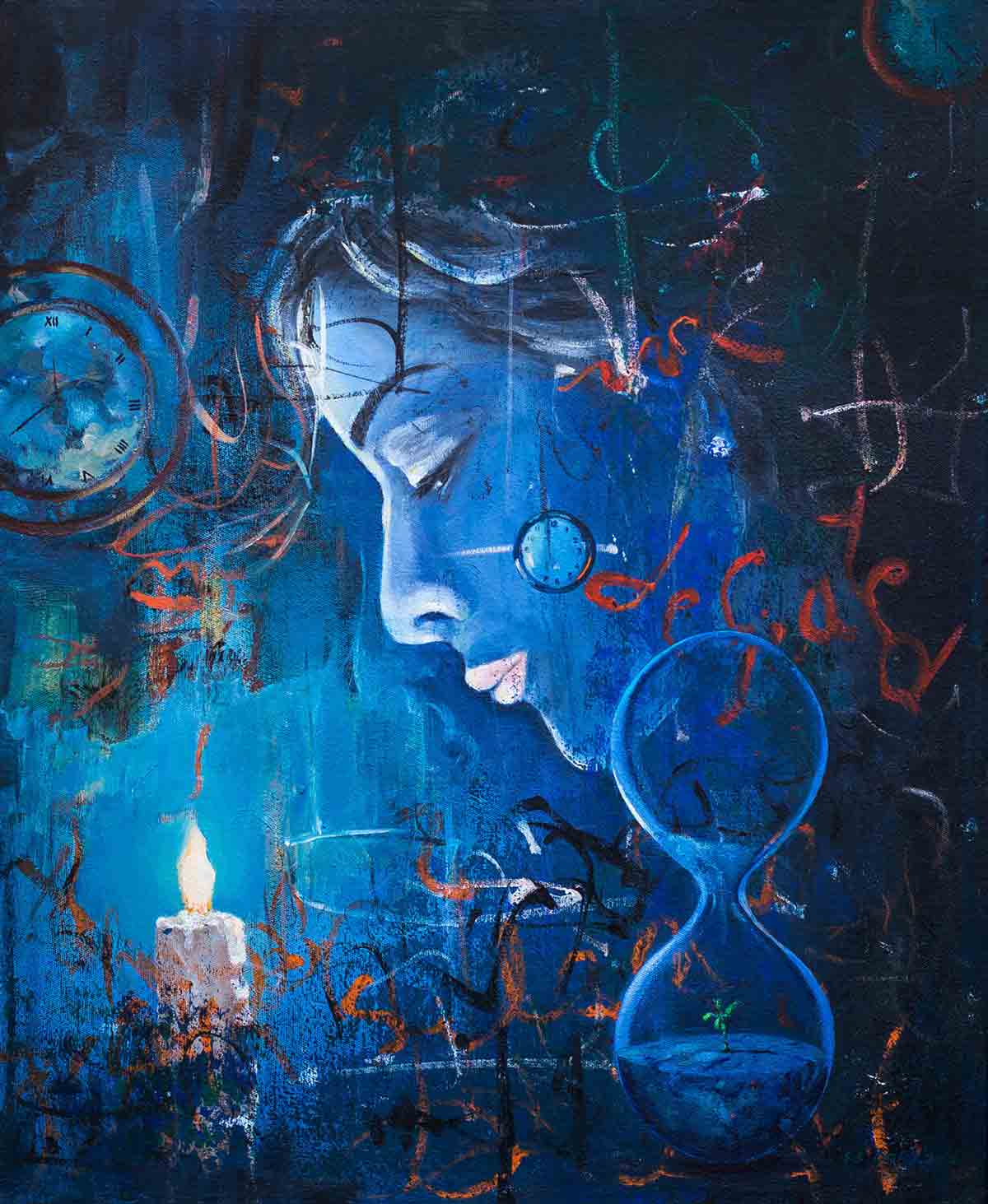
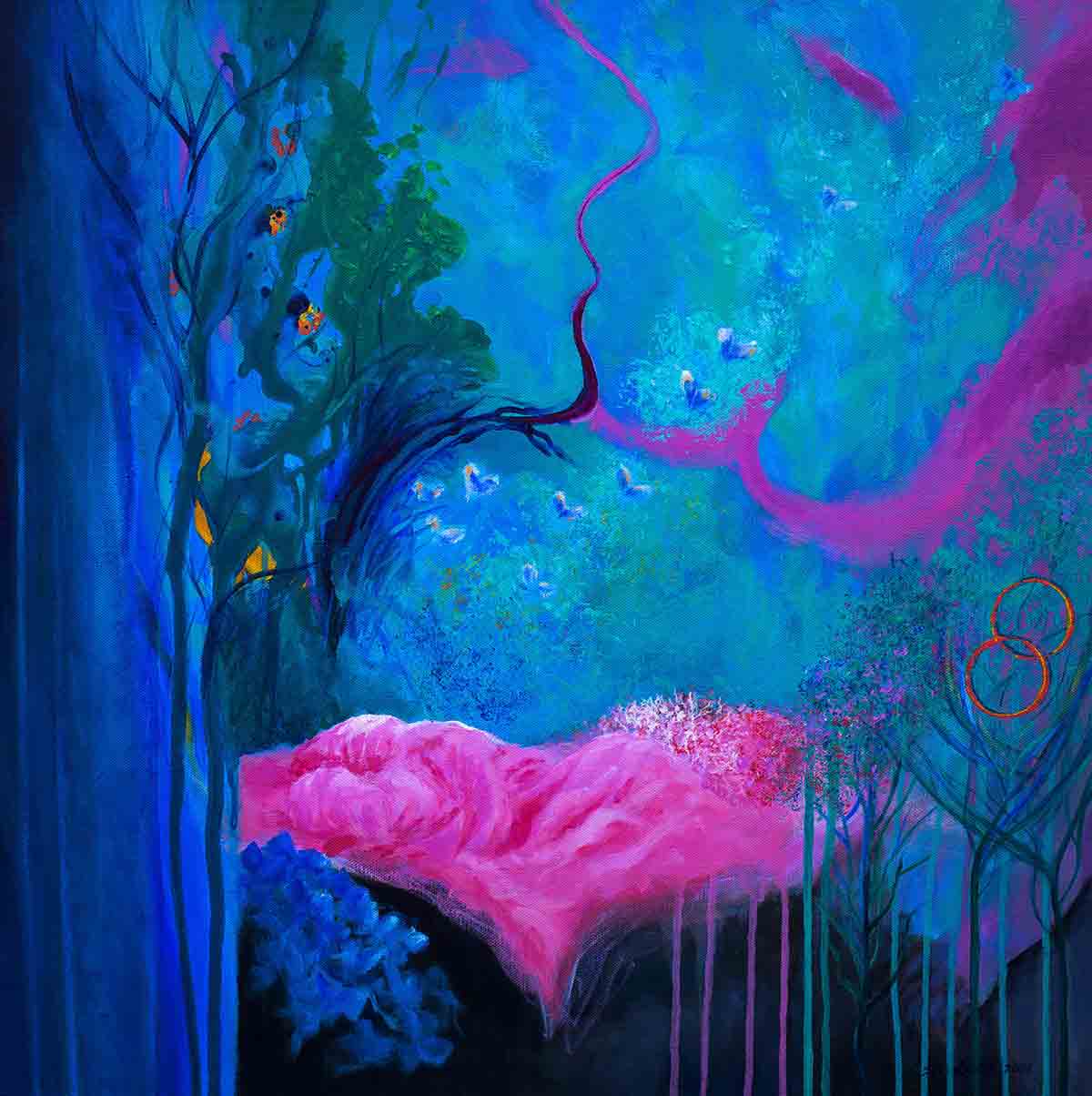
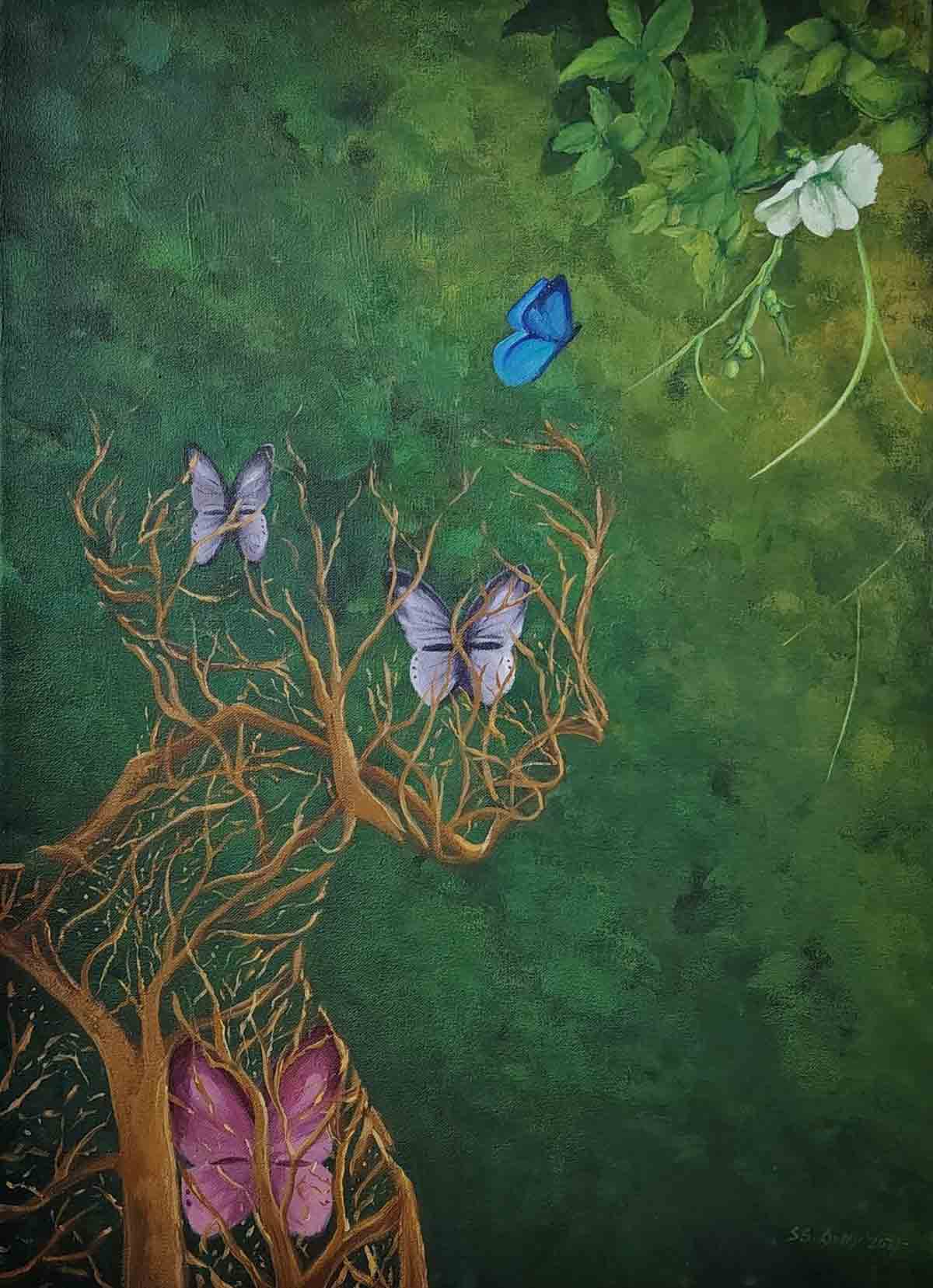
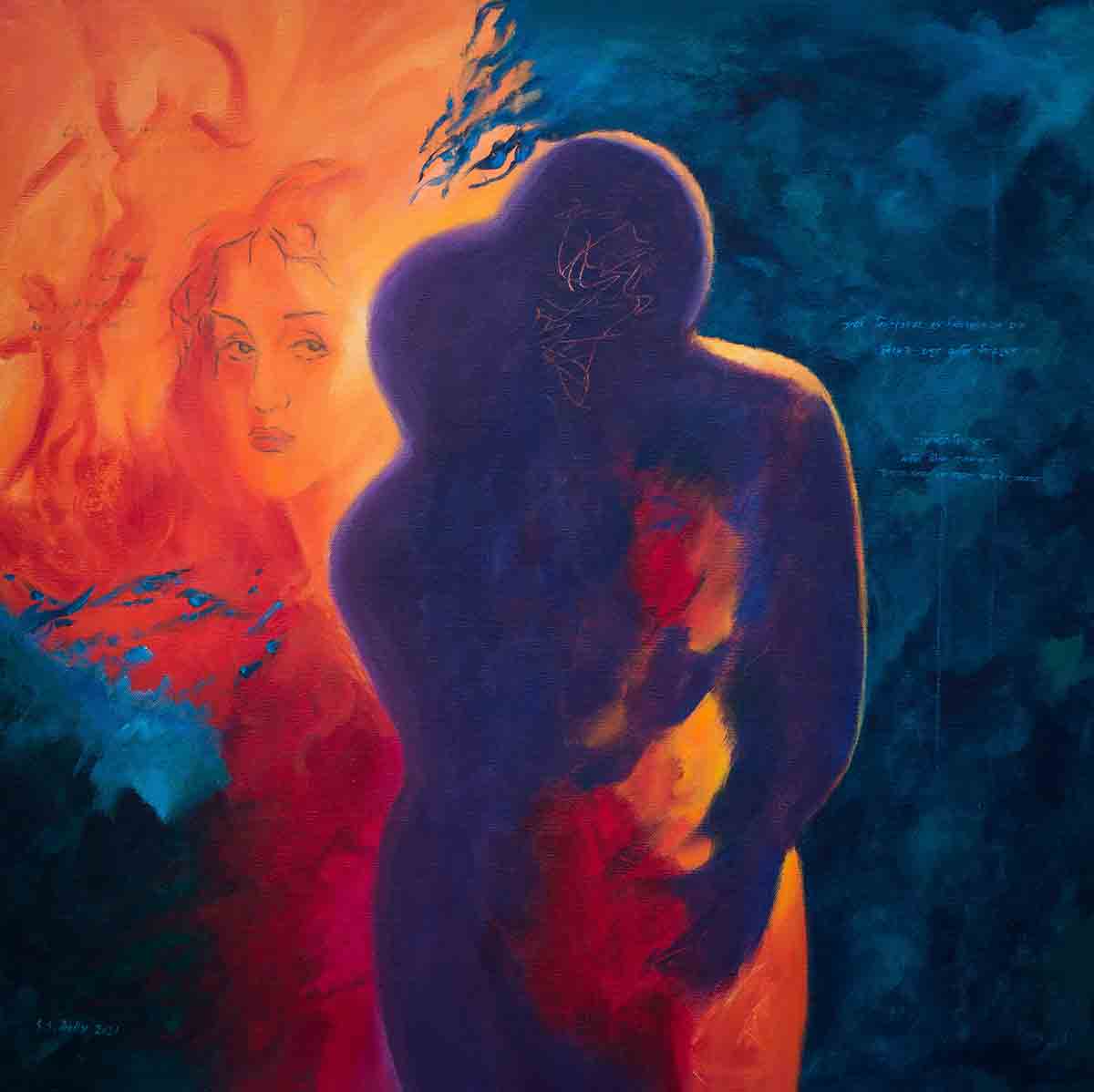
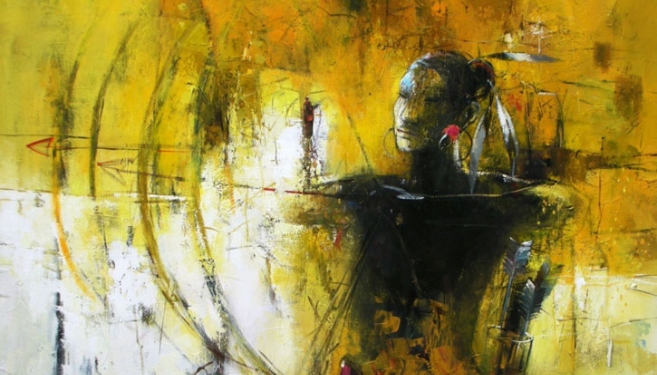
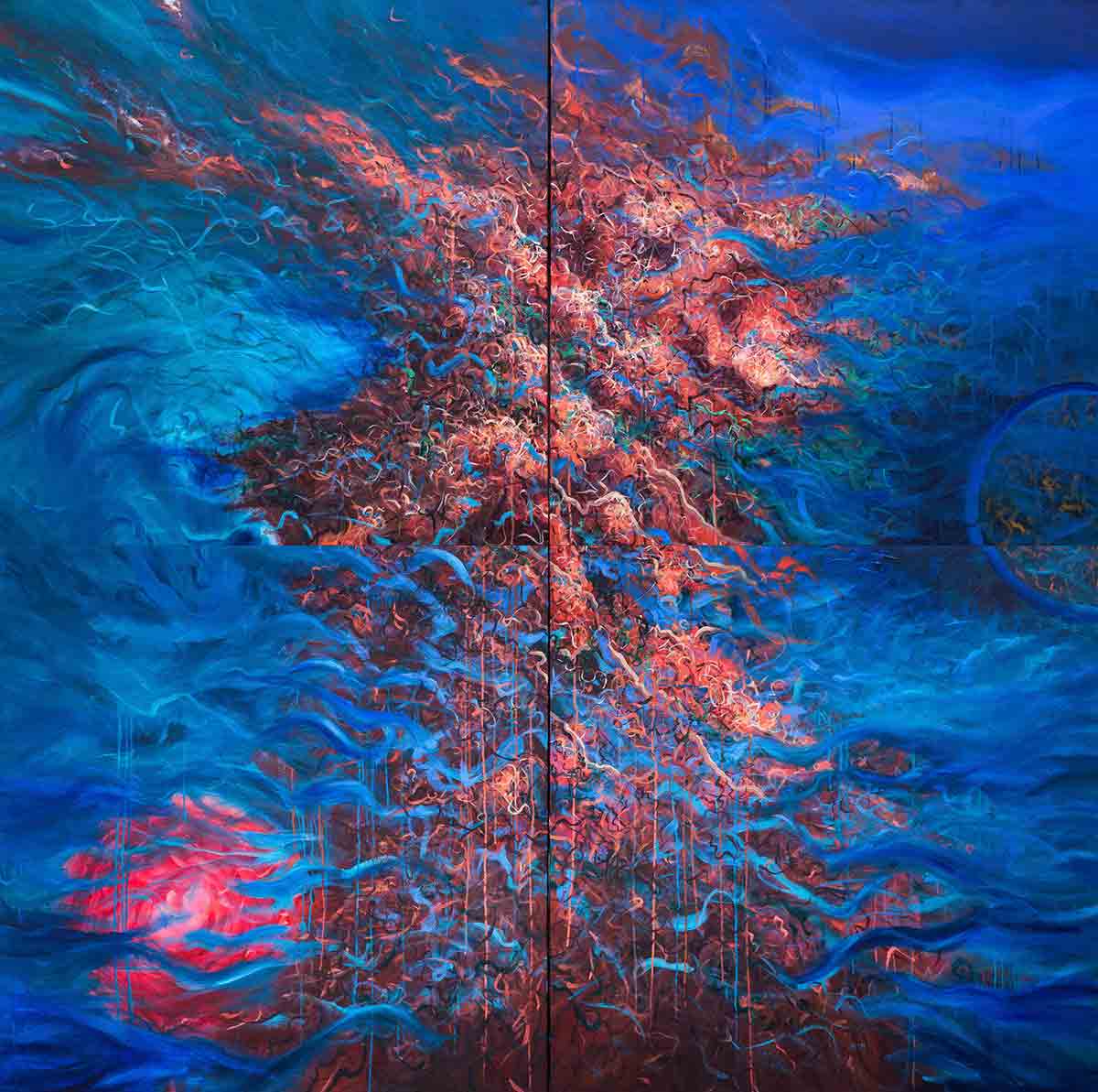
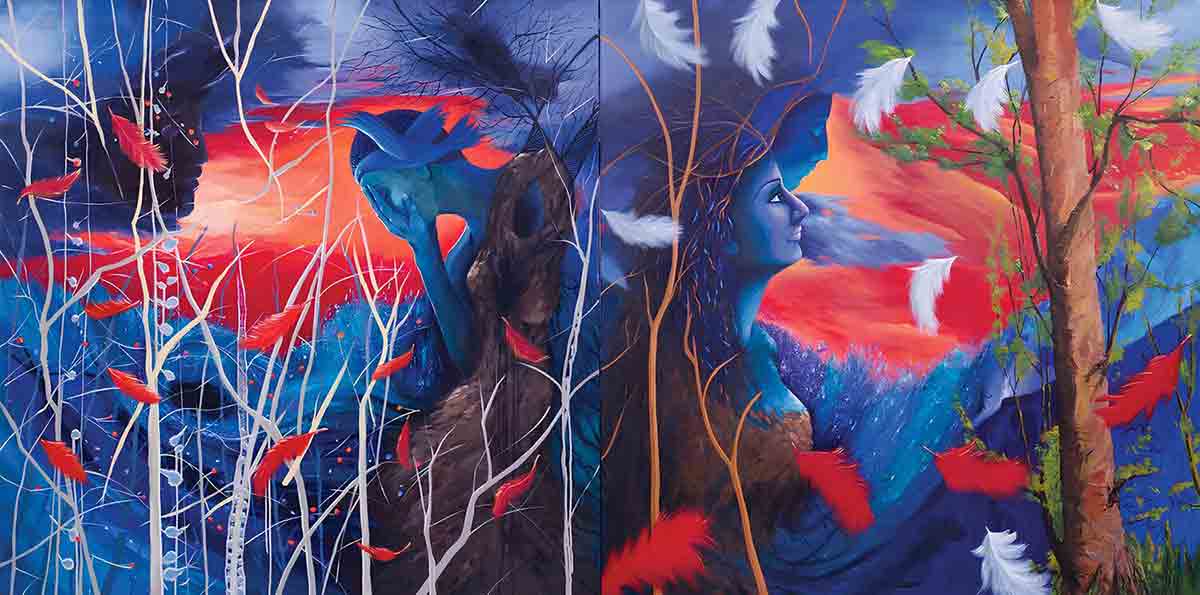
Her multidisciplinary practice spans monochromatic drawing, watercolour, acrylic, and oil painting. Each medium is selected for its capacity to evoke a specific emotional register. Central to her work are themes of struggle, transformation, and the often‑unseen narratives of women in South Asia. She approaches these stories not as abstractions or symbols, but as intimate, complex human experiences deserving of visibility and dignity.
Her artistic voice has been recognised internationally, with features on platforms such as Singulart and awards including the Platinum Art Prize (Thailand, 2019) and Best Entry at the International Art Exhibition on COVID‑19 (India, 2020). Travels across Malaysia, Australia, and other regions have expanded her visual vocabulary, allowing her to weave global textures into work that remains deeply rooted in the truths of her own community.
Working from her home studio in Dhaka, she continues to build a body of work collected across Bangladesh, Europe, the UK, the USA, and Australia. Across continents and contexts, her intention remains constant: to offer viewers a moment of recognition, a point of connection, and a quiet invitation to reflect. Her practice affirms the belief that art can be a subtle yet powerful form of revolution — one that begins with feeling and extends outward into shared human experience.
Shahnaz Sultana, an extraordinary Bangladeshi artist, emerges from the intersection of sanctuary and resistance, where silence is transformed into expression and personal history becomes a site of inquiry. From an early age, she gravitated toward the rhythms of nature and the quiet lyricism of daily life, using drawing as her first language and her earliest means of self‑assertion.
Raised in a cultural environment where a girl’s artistic aspirations were often questioned, she developed her practice in the margins — in private, in fragments of time, and against the grain of expectation. These formative challenges deepened her artistic resolve. Today, her work stands as both a personal refuge and a critical lens through which she examines social structures, emotional landscapes, and the resilience of women’s lives.
Her multidisciplinary practice spans monochromatic drawing, watercolour, acrylic, and oil painting. Each medium is selected for its capacity to evoke a specific emotional register. Central to her work are themes of struggle, transformation, and the often‑unseen narratives of women in South Asia. She approaches these stories not as abstractions or symbols, but as intimate, complex human experiences deserving of visibility and dignity.
Her artistic voice has been recognised internationally, with features on platforms such as Singulart and awards including the Platinum Art Prize (Thailand, 2019) and Best Entry at the International Art Exhibition on COVID‑19 (India, 2020). Travels across Malaysia, Australia, and other regions have expanded her visual vocabulary, allowing her to weave global textures into work that remains deeply rooted in the truths of her own community.
Working from her home studio in Dhaka, she continues to build a body of work collected across Bangladesh, Europe, the UK, the USA, and Australia. Across continents and contexts, her intention remains constant: to offer viewers a moment of recognition, a point of connection, and a quiet invitation to reflect. Her practice affirms the belief that art can be a subtle yet powerful form of revolution — one that begins with feeling and extends outward into shared human experience.